
Solar Panels in Cloudy Weather: How Solar Really Performs Without Full Sun
Do Solar Panels Work in Cloudy Weather?
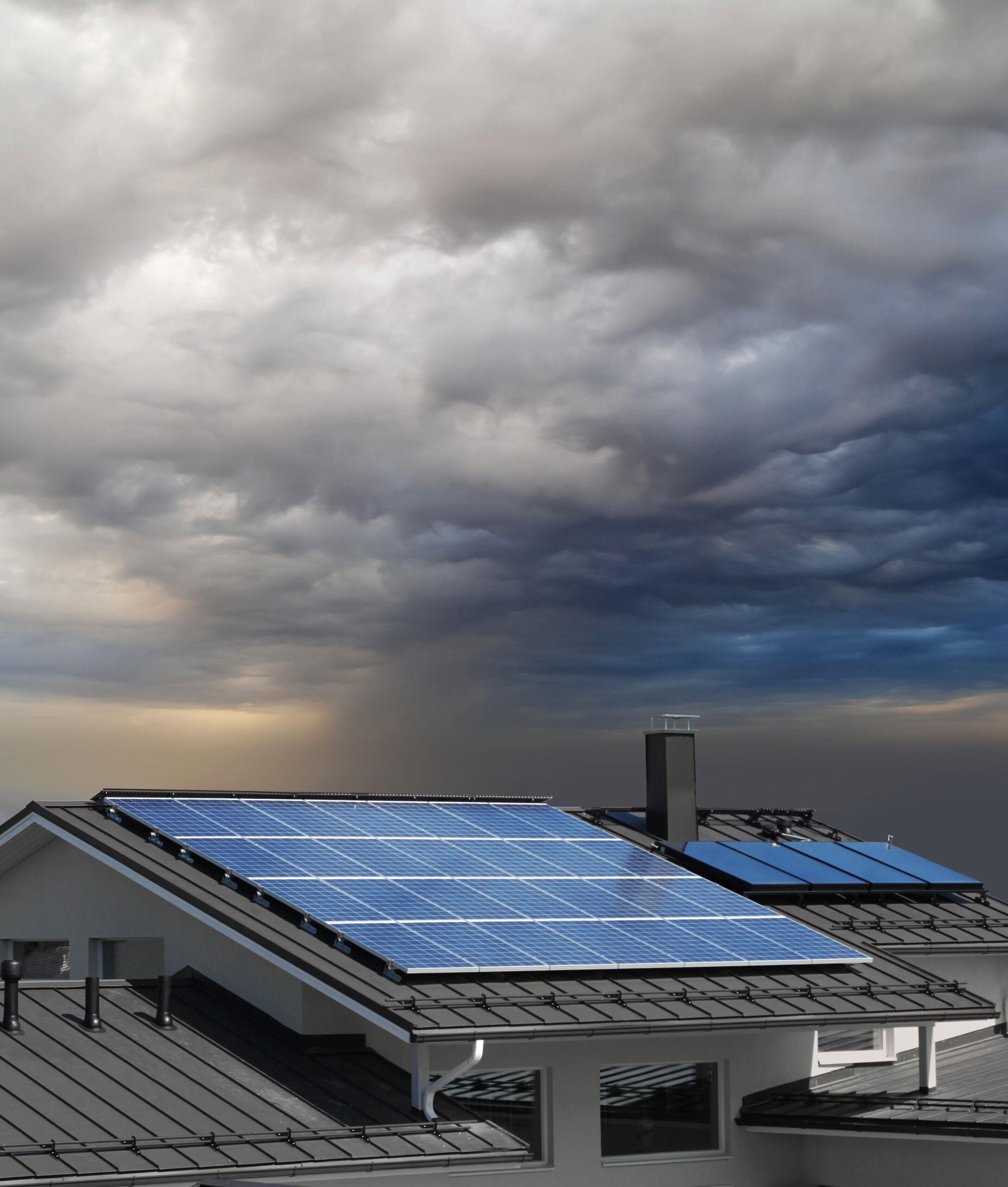
One of the most common misconceptions about solar energy is that it only works in constant sunshine. In reality, solar panels in cloudy weather continue to generate electricity—even in regions that experience frequent overcast days like New York and New Jersey.
Understanding how solar panels function helps homeowners make informed decisions, especially in climates where weather conditions vary throughout the year.
How Solar Panels Generate Electricity
Solar panels work by converting sunlight—not heat—into electricity. Even when the sun isn’t shining brightly, solar panels in cloudy weather still work due to the solar radiation reaching the earth’s surface in the form of diffused light. Solar panels are designed to capture this light and convert it into usable energy.
According to the U.S. Department of Energy, modern solar panels can generate electricity even on cloudy or partially shaded days.
While production may be lower compared to clear, sunny conditions, panels do not stop working altogether.
What Happens to Solar Output on Cloudy Days?
On heavily overcast days, solar panels may produce between 10% and 25% less energy than on bright, sunny days. However, this reduced output is already factored into annual system design and energy production estimates.
Solar systems are sized based on yearly performance—not daily output. This means higher production on sunny days helps balance lower production on cloudy days, resulting in reliable energy generation over the course of the year.
Solar Performance in New York and New Jersey
Homes in New York and New Jersey experience a mix of sunny days, cloudy periods, and seasonal changes. Solar installers account for these conditions when designing systems, ensuring homeowners still receive strong long-term performance.
In fact, some of the world’s leading solar-producing countries—such as Germany—have fewer sunny days than many U.S. states. Their success demonstrates that solar does not require constant sunshine to be effective.
Winter Weather, Snow, and Solar Panels
Another concern homeowners often raise is winter performance. Snow can temporarily cover panels, but most systems are installed at an angle that allows snow to slide off naturally.
Once panels are exposed, reflected sunlight from snow can actually increase solar output. Cold temperatures can also improve panel efficiency, as solar panels tend to perform better in cooler conditions.
This means winter weather does not prevent solar systems from generating meaningful energy.
How Battery Storage Helps Balance Weather Variability
Battery storage systems allow homeowners to store excess energy generated during sunnier periods and use it when solar production is lower. This is especially useful during extended cloudy weather or grid outages.
Solar + battery systems provide:
-
Backup power during outages
-
Greater energy independence
-
Improved energy efficiency year-round
According to the U.S. Department of Energy, battery storage plays a key role in improving solar reliability and resilience.
Net Metering Helps Offset Cloudy-Day Production
Net metering programs allow homeowners to send excess solar energy back to the grid and receive credits on their utility bills. These credits can then be used when solar production is lower, such as during cloudy periods or nighttime hours.
Both New York and New Jersey offer net metering programs that help homeowners maximize the value of their solar systems throughout the year.
Why Annual Performance Matters More Than Daily Output
When evaluating solar, it’s important to focus on annual energy production rather than daily fluctuations. Cloudy days are normal and expected, and modern solar systems are designed to perform consistently across all seasons.
Professional installers use historical weather data and advanced modeling tools to estimate realistic energy output, ensuring systems meet homeowner needs regardless of short-term weather changes.
Solar Is Still a Smart Investment in Cloudy Climates
Solar panels absolutely work in cloudy weather. While production varies day to day, modern solar technology ensures reliable energy generation over the long term—even in regions with frequent cloud cover.
For homeowners in New York and New Jersey, solar remains a practical, cost-effective solution for lowering energy bills, reducing carbon emissions, and gaining energy independence.
Why choose us? Because we know clouds don’t stop anything, not even the power of the sun. Solar is built for real-world conditions, not perfect weather.
Despite it all, we will always find a solution for your savings and that’s the Kamtech Solar promise.