
Residential vs Commercial Solar: 7 Key Differences Property Owners Should Know
Understanding Residential vs Commercial Solar
When considering solar energy, one of the first questions property owners face is whether their needs fall under residential vs commercial solar. While both systems generate clean, renewable electricity, they differ significantly in size, design, cost structure, incentives, and overall goals.
Understanding these differences helps homeowners, business owners, and property managers choose the right solar solution for their specific property and energy usage.
What Is Residential Solar?
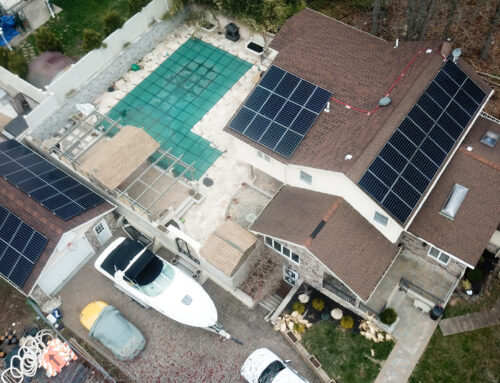
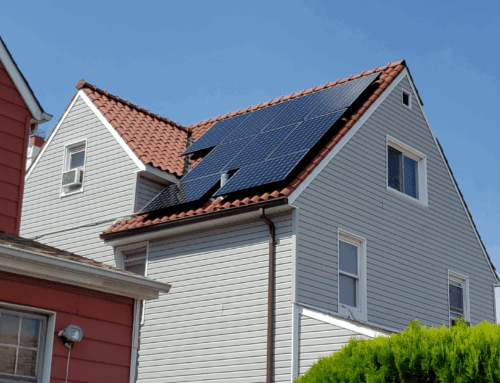
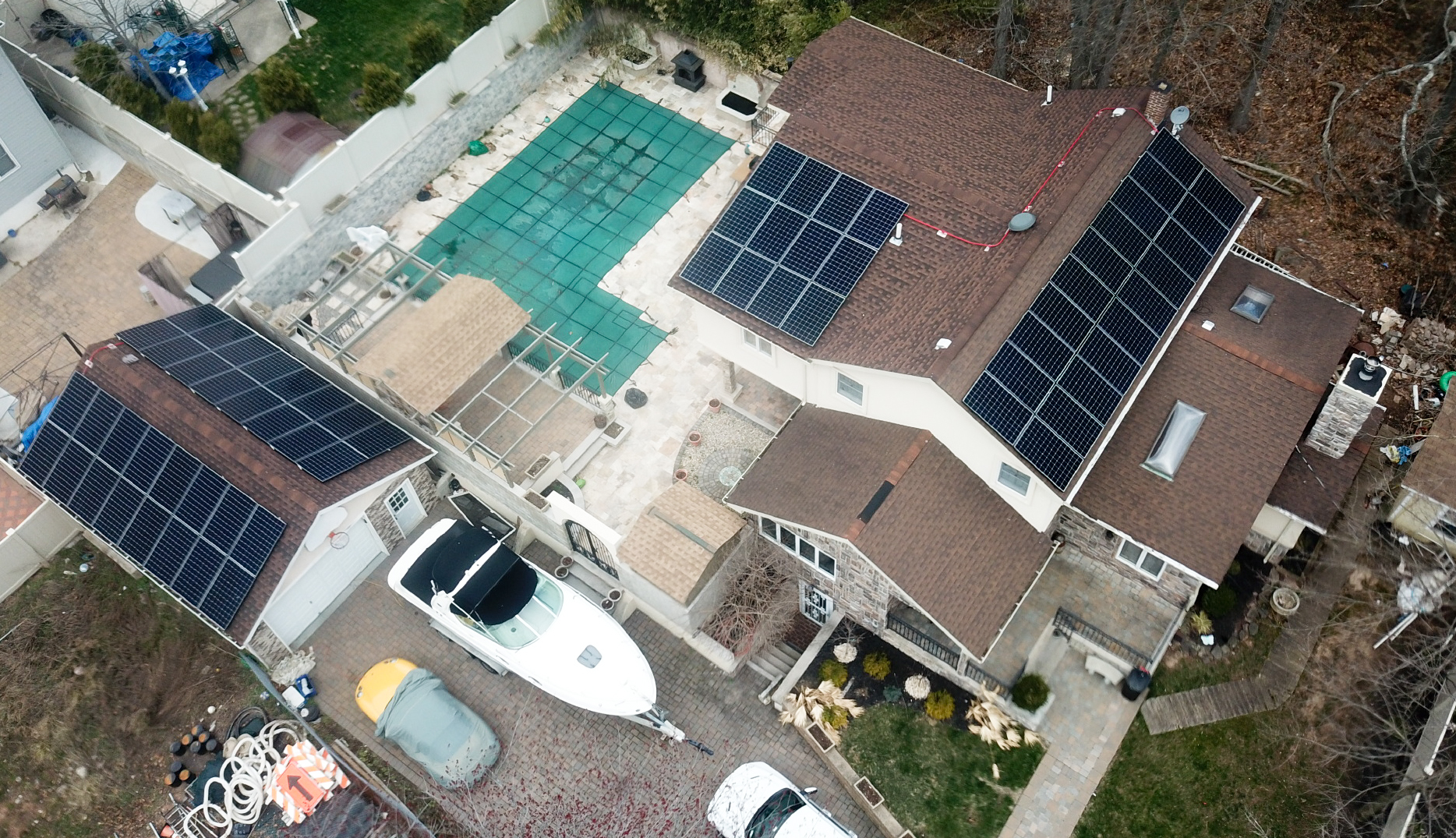
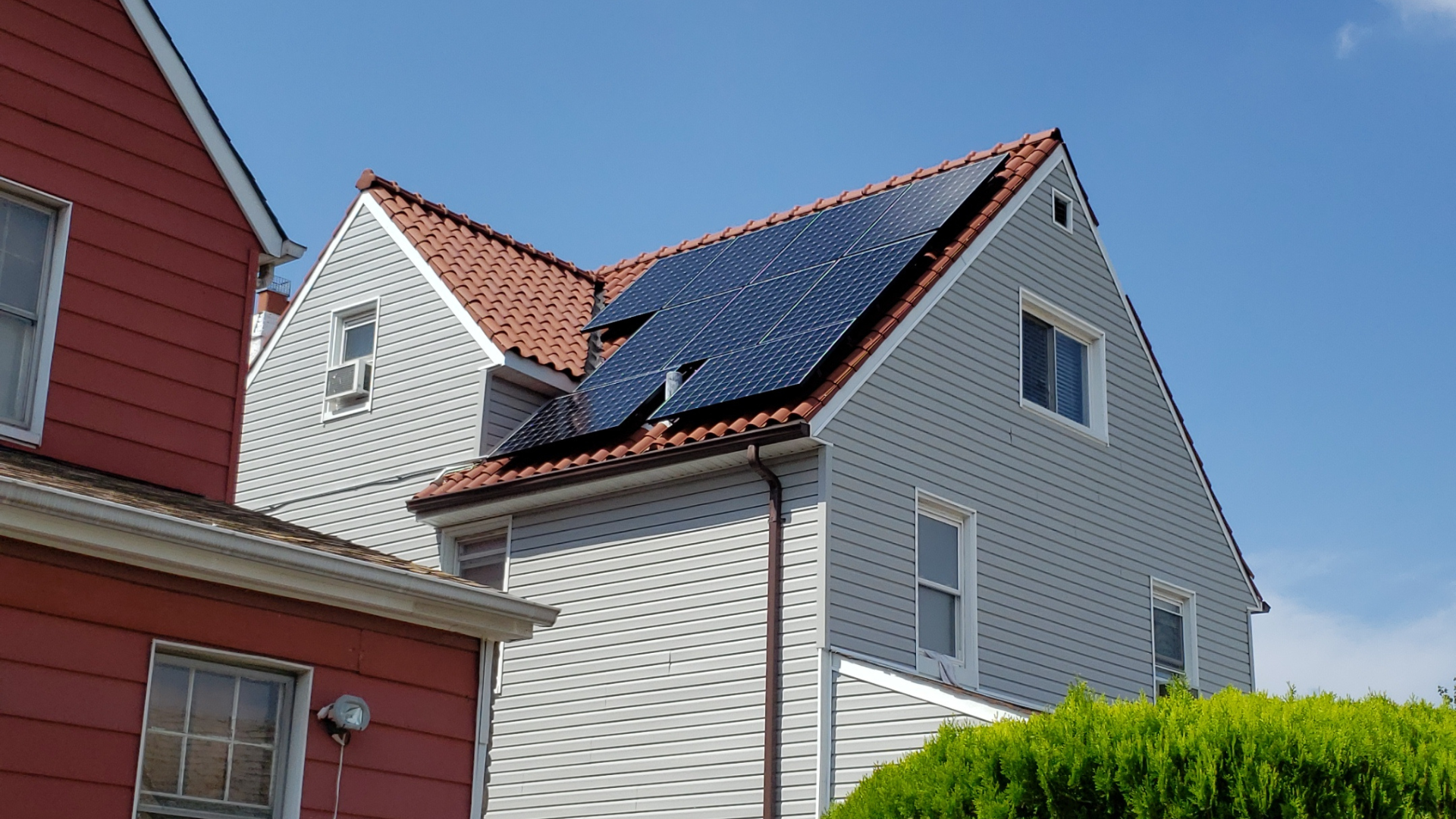
Residential solar systems are designed for single-family homes, townhomes, and small residential properties. These systems are typically installed on rooftops and sized to offset a household’s electricity consumption.
Key characteristics of residential solar include:
-
Smaller system sizes
-
Rooftop installations
-
Designed to reduce monthly utility bills
-
Eligibility for residential solar tax credits and incentives
Residential solar allows homeowners to gain energy independence, protect against rising utility rates, and reduce their carbon footprint.
What Is Commercial Solar?
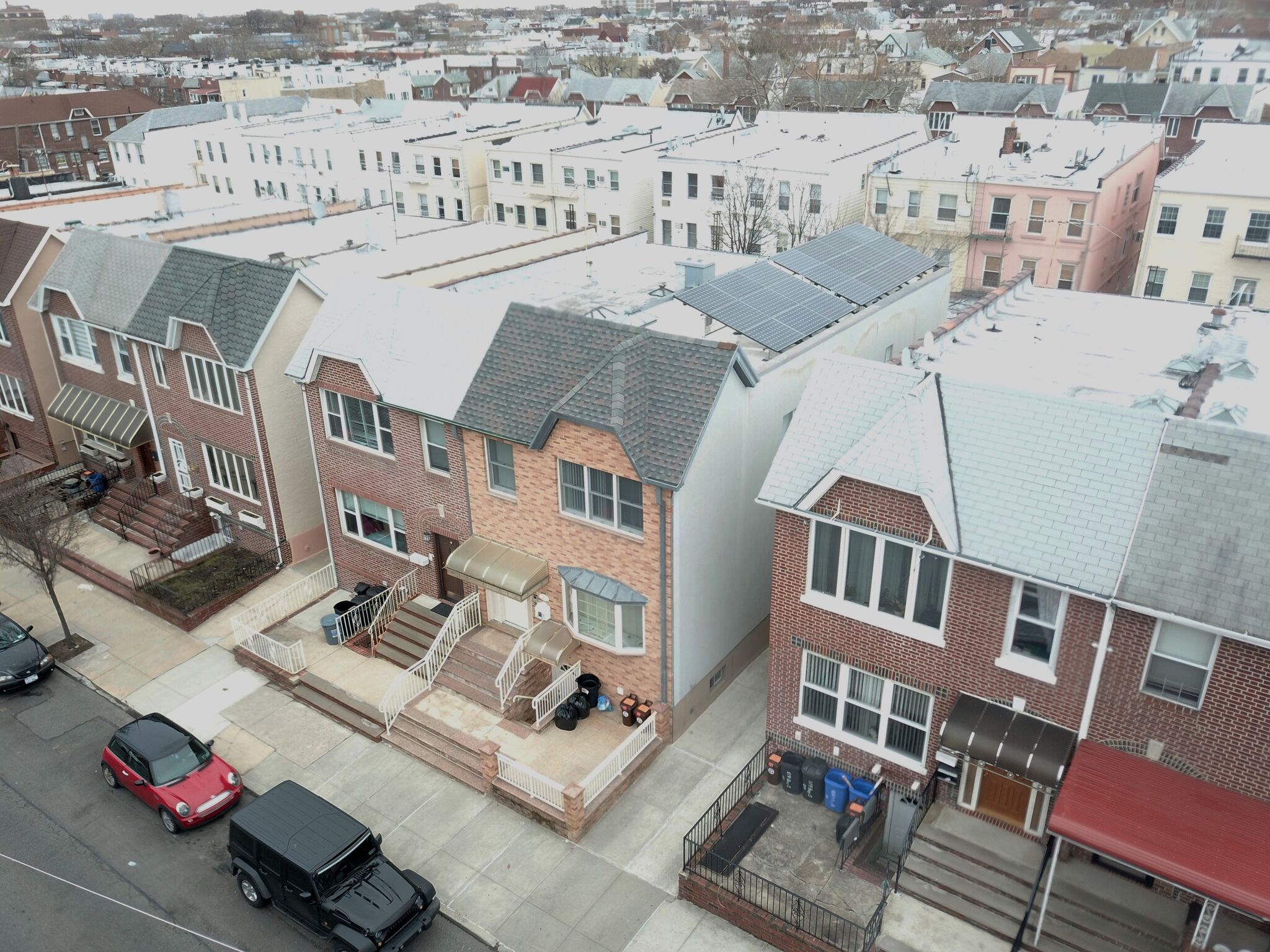
Commercial solar systems are designed for businesses, multi-family buildings, warehouses, schools, and other large facilities. These systems are often much larger and may be installed on rooftops, parking structures, or ground-mounted arrays.
Key characteristics of commercial solar include:
-
Larger system capacity
-
Higher upfront investment
-
Focus on long-term return on investment (ROI)
-
Energy cost stabilization for business operations
Commercial solar helps businesses lower operating expenses, meet sustainability goals, and demonstrate environmental leadership.
Difference #1: System Size and Energy Demand
One of the biggest distinctions in residential vs commercial solar is system size. Residential systems are designed to meet household energy needs, while commercial systems are built to offset much higher energy consumption.
Commercial properties often operate longer hours, use heavy equipment, or require consistent power—necessitating larger, more complex systems.
Difference #2: Installation Design and Complexity
Residential solar installations are usually simpler, with fewer panels and straightforward mounting systems. Commercial solar projects often involve custom engineering, structural evaluations, and advanced electrical design.
Commercial systems may also require:
-
Utility coordination
-
Engineering approvals
-
Permitting at a larger scale
Professional experience is especially important when installing commercial solar due to these complexities.
Difference #3: Cost Structure and Financing
Residential solar costs are generally lower and more predictable. Homeowners often use solar loans, leases, or power purchase agreements (PPAs) to manage upfront expenses.
Commercial solar investments are larger but may offer greater long-term financial benefits. Businesses can take advantage of depreciation, performance-based incentives, and energy savings that significantly improve ROI.
According to the U.S. Department of Energy, commercial solar installations can deliver substantial long-term operational savings.
Difference #4: Incentives and Tax Benefits
Both residential and commercial solar systems qualify for federal incentives, but commercial properties often have access to additional financial advantages.
Residential incentives typically include:
-
Federal solar tax credits
-
State and local rebates
-
Net metering benefits
Commercial incentives may include:
-
Federal tax credits
-
Accelerated depreciation
-
Performance-based incentives
-
Utility demand charge reductions
Understanding incentive eligibility is critical when comparing residential vs commercial solar options.
Difference #5: Energy Goals and Usage Patterns
Residential solar systems are designed to offset household energy use and reduce monthly bills. Commercial solar systems are often designed with broader goals, such as cost predictability, sustainability targets, and long-term asset value.
Businesses may also integrate solar into broader energy strategies, including battery storage and energy management systems.
Difference #6: Maintenance and Monitoring
Both system types are low maintenance, but commercial solar systems typically include advanced monitoring and performance tracking. This allows facility managers to optimize production and identify issues quickly.
Residential systems often rely on simpler monitoring platforms accessible through mobile apps or online dashboards.
Difference #7: Long-Term Value and Impact
Residential solar adds value by reducing energy costs, increasing home resale value, and supporting sustainability. Commercial solar adds value by improving financial performance, enhancing brand reputation, and meeting regulatory or ESG goals.
Both options contribute to cleaner energy and long-term resilience.
Which Solar Option Is Right for You?
Choosing between residential vs commercial solar depends on property type, energy usage, financial goals, and long-term plans. A professional solar assessment helps determine the most effective solution based on these factors.
Kamtech Solar works with both homeowners and businesses to design customized solar systems that deliver real value.
The Bottom Line
Residential and commercial solar systems serve different purposes, but both offer meaningful financial and environmental benefits. Understanding the differences helps property owners invest with confidence and choose a system aligned with their needs.
Solar is not one-size-fits-all—and the right solution starts with the right information. Learn more about us today at Kamtechsolar.com.